Every shelf of the Mulebuy Spreadsheet catalogue, with notes for a haul
Browse by category, then read the note for that shelf before you add a line to your docket. Coats, trainers and perfume each cause a different kind of trouble later in a haul.
How the catalogue is laid out
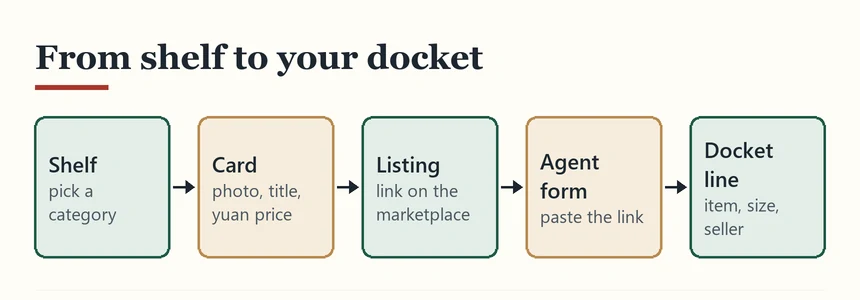
The catalogue is a set of shelves, one per category, and each shelf is a grid of product cards. A card shows the listing's main photo, a short English title, the price range in yuan and the shelf it belongs to. Open a card and you reach the listing details and its link on the original marketplace, which is what you paste into an agent's order form. Nothing is bought on the catalogue itself; it is where you browse by category and build a shortlist.
 SneakersAsk for the insole length and both size labels.
 Jackets and coatsCheck the lining and packed volume.
 HoodiesCompare chest width and body length.
 T-shirtsCheck the exact colour and print option.
 JeansRecord flat waist and inseam in centimetres.
 SweatpantsCheck waistband range and cuff style.
 Womenswear searchSearch results cross several product categories.
 Sports jerseysConfirm the cut and any name or number printing.
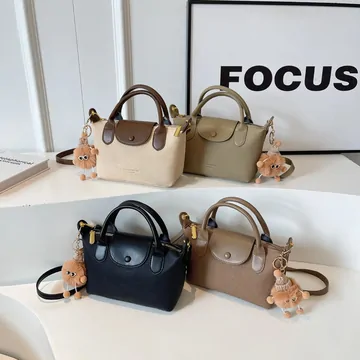 BagsCheck dimensions and which straps are included.
 HatsLook for head circumference and the closure.
 BeltsMeasure to the middle hole, not the full strap.
 EyewearCheck frame width; a photo cannot prove UV protection.
 JewelleryCheck dimensions and the stated metal.
 WatchesAsk about movement and battery restrictions.
 PerfumeConfirm liquid acceptance before ordering.
 ElectronicsCheck battery, plug and model compatibility.
These are the sixteen shelves. Womenswear is a search for "women" rather than a shelf of its own, because the catalogue sorts by type of item, not by who wears it.
- Coats and jackets
- Hooded tops
- Tees
- Denim
- Joggers and track bottoms
- Football and sports shirts
- Womenswear (search results)
- Trainers
- Bags and totes
- Hats and beanies
- Belts
- Glasses and sunglasses
- Jewellery
- Watches
- Perfume
- Electronics
Each card links to the listing, and each listing belongs to a seller. When you shortlist, write down the seller as well as the item, because the seller decides when the item leaves for the warehouse and how many of your lines travel together on the domestic leg.
Clothing shelves and how they behave in a parcel
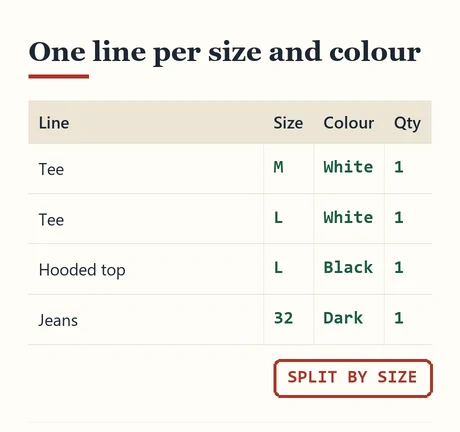
Clothing is the backbone of most hauls: coats and jackets, hooded tops, tees, denim and joggers. It folds, it compresses and it rarely breaks, so it forgives a lot. What it does not forgive is a size mix-up. Two tees in the same colour and different sizes look identical in a warehouse photo unless the size label is in the frame.
So for clothing the docket rule is one line per size and colour, even when they come from the same listing. If you order a tee in M and L, that is two lines, not one line with a quantity of two. When the photos come back you can then tick each size separately, and LoongBuy's inspection page says that orders with several sizes are normally photographed grouped by size, which only helps if your own list is split the same way.
Padded coats deserve their own note. They are light for their size, and parcels are often billed by size as well as by weight, which means a single puffer can change the cost of an entire parcel. Decide on it early.
Footwear and bags: the bulky end of a haul
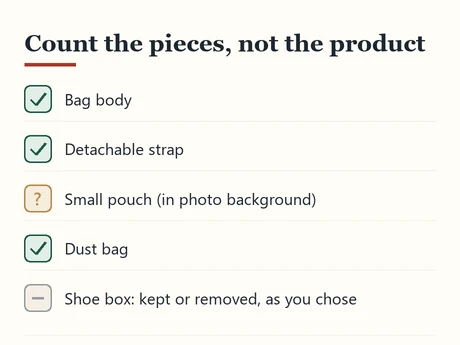
Trainers and bags take up more room than anything else on the docket, and they arrive with extra pieces: a shoe box, spare laces, a dust bag, a detachable strap, a small pouch. Those extras are where counts go wrong, because a warehouse may photograph the main item and leave the pouch in the background.
Write the extras into the docket line itself, for example "crossbody bag + strap + pouch", so that when the photos come back you are counting three pieces, not one. For trainers, note whether the listing includes a box at all. Several agents sell box removal as a paid packing option, so whether a box is present at the warehouse count and whether it is still present at the doorstep count can legitimately differ; your docket should say which you chose.
Search tips for these shelves: try crossbody bag or running shoes rather than brand words, which keeps results focused on the type of item.
Small accessories that get lost in a big box
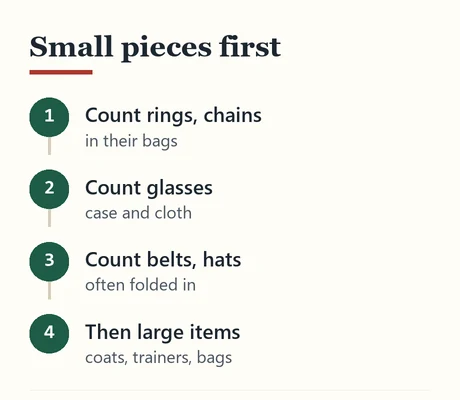
Hats, belts, glasses, jewellery and watches are light and small, which makes them easy to add and easy to lose. A ring in a tiny bag can sit inside a jacket pocket, a pair of sunglasses can travel inside a trainer, and a beanie can end up folded inside a hooded top. None of that is wrong; it just means the doorstep count has to look inside things.
The habit that works is to count small accessories first, both in the warehouse photos and at home, before the large items are unpacked and the small ones disappear among the tissue paper. If a warehouse photo shows a group of small pieces, count them individually against the docket rather than taking the group shot as proof.
Glasses and jewellery also tend to have narrower inspection rules. LoongBuy's inspection page, for example, says it does not check precious metal content in jewellery or the technical lens and frame parameters of eyewear, so the photo can confirm the piece arrived but not what it is made of.
Perfume and electronics need a different line
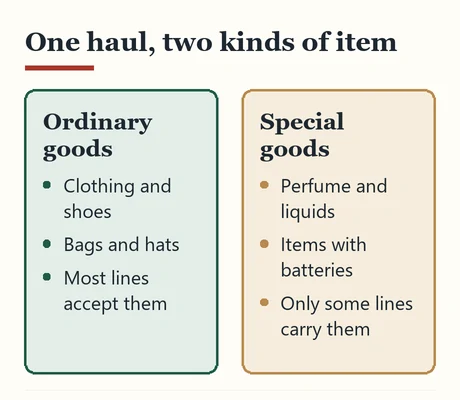
The perfume and electronics shelves look like any other, but the items on them are treated differently once they reach the warehouse. Liquids and anything with a battery are usually carried only by certain shipping lines, and some lines put that in their name. Kakobuy's estimator, for example, listed a line called "Cosmetics Air Express (Battery, Liquid)" alongside lines that excluded batteries and perfume.
In practice this means a haul with one bottle of perfume may need two parcels, or a line that suits the perfume but is slower or dearer for everything else. Mark such lines on your docket with a note like "needs special line" when you add them, so that the parcel stage does not surprise you. We do not try to list which items each country accepts; the agent's line notes at the time you ship are the reference that counts.
If the perfume or gadget is the reason for the haul, choose its line first and build the rest of the parcel around it. If it is an afterthought, it is often simpler to leave it for a later parcel.
How to choose an item before it joins the haul
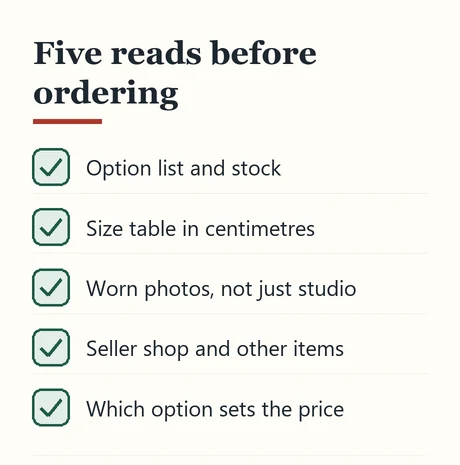
Judging a listing before you order saves a line on the docket that would otherwise have to be returned. Five things are worth reading on every listing:
- The option list. Sizes and colours are often separate options with separate stock. An option that says "pre-sale" or gives a dispatch date will hold up the rest of the haul.
- The size table. Chinese size tables usually give measurements in centimetres; compare them with a garment you own rather than trusting the letter size.
- The photos. Seller photos on a white background and photos of the item worn can differ; the worn ones are usually closer to what arrives.
- The seller's shop. One seller with several of your items means one domestic parcel and one arrival date.
- The price spread. A card showing a wide yuan range usually means options differ in price; note which option you chose.
Deciding what to buy is easier once you know which lines will travel together. That is why the docket starts here, on the catalogue, and not at the warehouse.
Search words that work in this catalogue
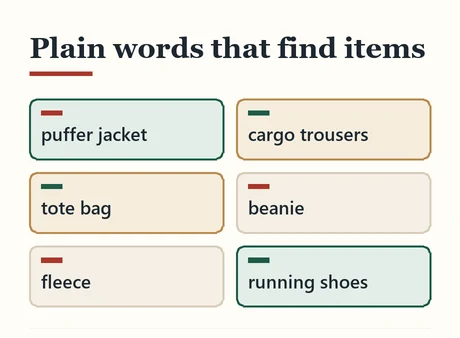
The catalogue's titles are in English, so English words find more than pasted Chinese. Short, plain descriptions of the item do best: puffer jacket, cargo trousers, tote bag, beanie or fleece. Adding a colour usually narrows the results usefully; adding a size rarely does, because sizes live in the listing options rather than in titles.
If a search returns too much, open the matching shelf instead and scan by photo. For a haul, the shelf view has one advantage over search: it shows you neighbouring items from the same kind of seller, which is how you find a second item from a seller you already plan to use.
Keep a note of the search words that worked. Next haul, they are the quickest way back to the same sellers.